


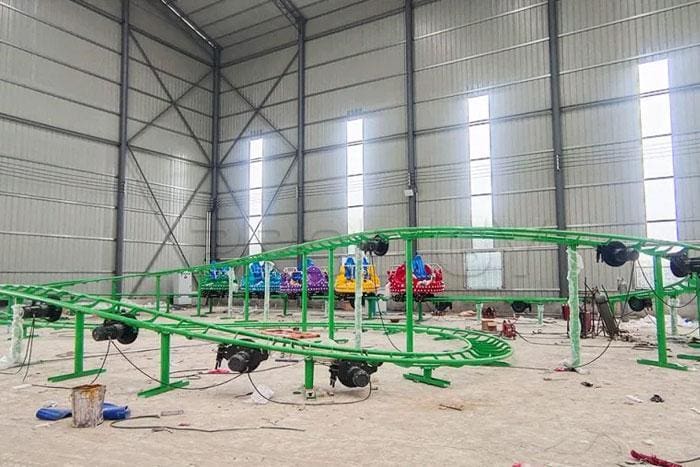
De acordo com 2026 estimativas de mercado, montanhas-russas pequenas e familiares podem ser relativamente acessíveis para investidores comerciais, enquanto grandes montanhas-russas de aço e temáticas exigem investimentos substanciais em engenharia e infraestrutura.
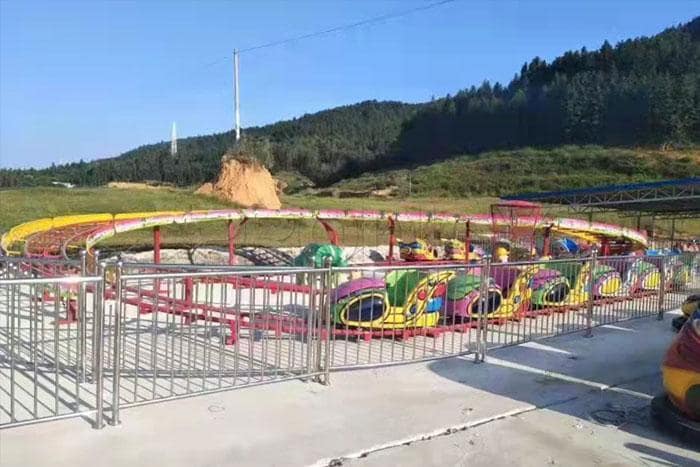
Para compradores que consideram Prodigy montanhas-russas, a empresa oferece modelos menores e voltados para a família que podem fornecer um ponto de entrada de baixo custo no mercado de brinquedos de diversão.
Custo médio da montanha-russa em 2026
A tabela a seguir fornece uma estimativa geral de equipamento de montanha russa e custos de construção em 2026:
| Tipo de montanha-russa | Custo típico | Aplicação Típica |
|---|---|---|
| Criança / Mini montanha-russa | $30,000–US$ 500.000 | Parques infantis, FEC |
| Coaster de aço familiar | $500,000–US$ 2 milhões | Parques de diversões regionais |
| Coaster de aço padrão | $2–US$ 15 milhões | Grandes parques temáticos |
| Porta-copos de madeira | $3–US$ 10 milhões | Parques de diversão tradicionais |
| Mega / Hiper montanha-russa | $10–$ 25 milhões + | Principais parques de destino |
| Porta-copos com tema personalizado | $20–$ 100 milhões + | Parques temáticos de grande escala |
Esses números são estimativas amplas da indústria, e não cotações fixas. Os preços dos equipamentos podem diferir significativamente dependendo das especificações de engenharia e se a construção do local e o tema estão incluídos.
O que determina o custo de construção de uma montanha-russa?
1. Tipo de montanha-russa
O tipo de montanha-russa tem o maior impacto no preço. Uma pequena montanha-russa familiar tem trilhos e estrutura de suporte relativamente simples, enquanto uma montanha-russa de lançamento ou montanha-russa em loop requer engenharia mais avançada.
Por exemplo, Prodigy foi publicado 2026 as informações colocam modelos pequenos e voltados para a família em faixas de preços substancialmente mais baixas do que grandes montanhas-russas personalizadas.
2. Comprimento da trilha
Trilhas mais longas exigem mais:
- Trilho de aço
- Colunas de suporte
- Fundações
- Sistemas de freio
- Equipamento elétrico
- Mão de obra na construção
Uma montanha-russa familiar de 100 metros e uma mega-montanha-russa de 1.000 metros têm, portanto, orçamentos de construção dramaticamente diferentes..
3. Altura e Velocidade
O aumento da altura e da velocidade da montanha-russa cria requisitos estruturais e de engenharia adicionais. Atrações mais altas geralmente precisam de bases mais fortes, estruturas de suporte maiores, sistemas de travagem avançados, e engenharia de segurança mais abrangente.
4. Capacidade de passageiros
Uma montanha-russa projetada para 20 passageiros por trem tem requisitos diferentes de uma atração de alta capacidade operando vários trens simultaneamente.
Maior capacidade pode aumentar:
- Custos do veículo
- Tamanho da estação
- Sistemas de controle
- Equipamento de frenagem
- Infraestrutura de fila
No entanto, maior rendimento também pode melhorar o potencial de receita.
5. Temas e Personalização
Uma montanha-russa básica é consideravelmente mais barata do que uma atração totalmente temática.
A personalização pode incluir:
- Trens temáticos
- Cenário de fibra de vidro
- Animatrônica
- Iluminação LED
- Sistemas de som
- Elementos especiais da pista
- Entradas e estações de marca
Para os principais parques temáticos, o tema pode representar uma porcentagem significativa do orçamento geral do projeto.
Custo da montanha-russa Prodigy
Prodigy é um fabricante chinês de equipamentos de diversão que fornece mini, família, e soluções personalizadas de montanha-russa.
De acordo com Prodigy 2026 informações de preços publicadas, alguns modelos menores podem custar aproximadamente US$ 15.000 a US$ 60.000, enquanto as montanhas-russas familiares convencionais geralmente custam entre US$ 60.000 e US$ 150.000, dependendo da configuração. Modelos personalizados de especificações mais altas podem chegar a US$ 200.000 a US$ 450.000 ou mais.
Um exemplo publicado do Prodigy é uma montanha-russa voltada para a família com aproximadamente 116 metros de pista e 22 capacidade de passageiros, com um preço de referência de equipamento em torno $19,000 antes dos custos adicionais do projeto.
Estes valores devem ser tratados como preços de referência e não como cotações garantidas porque o preço final depende das especificações, personalização, destino de envio, e requisitos de instalação.
Custos adicionais além da montanha-russa
Um erro comum entre compradores de primeira viagem é calcular apenas o preço do equipamento do fabricante.
O custo total do projeto da montanha-russa também pode incluir:
Envio e Transporte
Transporte internacional, movimentação portuária, seguro, e a entrega interna pode adicionar milhares de dólares ao orçamento.
Fundação e preparação do local
O site pode exigir:
- Fundações de concreto
- Componentes incorporados
- Drenagem
- Infraestrutura elétrica
- Cerca de segurança
- Construção da estação
Instalação e Comissionamento
Grandes passeios requerem instalação profissional, testando, e comissionamento. As estimativas de custos relacionadas ao Prodigy indicam que a instalação, envio, fundação, e outros custos de desembarque podem aumentar consideravelmente o preço do equipamento de fábrica.
Licenças e Inspeções
Os governos locais podem exigir revisões de engenharia, inspeções de segurança, licenças de operação, e outras aprovações antes que o passeio possa abrir.
Manutenção e peças sobressalentes
Os operadores também devem orçamentar inspeções regulares, lubrificação, componentes de substituição, manutenção elétrica, e testes periódicos de segurança.
Quanto custa uma montanha-russa por pé?
O custo por pé é outra forma útil de comparar projetos de montanhas-russas.
Para 2026, estimativas indicativas variam de cerca de US$ 100 a US$ 200 por pé para montanhas-russas infantis básicas a mais de $3,000 por pé para hiper ou mega montanhas-russas. Atrações altamente temáticas podem exceder US$ 8.000 a US$ 20.000 por pé devido ao cenário especializado, tecnologia, e contação de histórias.
No entanto, o custo por pé nunca deve ser usado sozinho. Uma montanha-russa mais curta com inversões complicadas, lançamentos, ou o tema pode custar mais do que uma montanha-russa familiar mais longa, mas mais simples.
O que você pode construir com orçamentos diferentes?
Sob $50,000
Este orçamento pode destinar-se a crianças pequenas, mini, ou atrações de montanha-russa sem motor. Estes são adequados para parques infantis, shoppings, e pequenos FECs.
$50,000–$ 150.000
Esta linha abre mais opções de montanhas-russas elétricas voltadas para a família. Os preços publicados da Prodigy colocam vários modelos dentro ou em torno deste segmento.
$150,000–US$ 500.000
Os investidores podem considerar montanhas-russas familiares mais longas, layouts personalizados, maior capacidade, e temas visuais mais fortes.
$1 Milhões +
Este orçamento entra no mercado de bases para copos de aço comerciais maiores, dependendo do fabricante e dos requisitos do projeto.
$10 Milhões +
Atrações de destino em grande escala, mega montanhas-russas, e projetos fortemente temáticos podem exigir orçamentos superiores $10 milhão.
Como reduzir os custos de construção de montanhas-russas
Se você deseja controlar seu investimento, considere essas estratégias:
- Escolha um tamanho de passeio adequado em vez de selecionar automaticamente a maior montanha-russa.
- Use um modelo padrão comprovado em vez de projetar cada componente do zero.
- Otimize o layout da pista para reduzir custos estruturais desnecessários.
- Selecione um fabricante experiente com capacidades de produção estabelecidas.
- Planeje o transporte e a instalação com antecedência para evitar despesas inesperadas.
- Priorize temas de alto valor em vez de adicionar recursos caros com impacto limitado para o visitante.
Para pequenas empresas de diversão, uma montanha-russa familiar compacta muitas vezes pode proporcionar um melhor equilíbrio entre investimento, capacidade, manutenção, e apelo ao visitante do que uma mega montanha-russa.
Perguntas frequentes
Quanto custa construir uma pequena montanha-russa?
Uma montanha-russa pequena ou mini pode variar de dezenas de milhares de dólares a várias centenas de milhares de dólares, dependendo do seu tamanho e especificações. Os preços publicados de pequenas montanhas-russas da Prodigy incluem modelos que começam na faixa de US$ 15.000 a US$ 60.000.
Quanto custa uma grande montanha-russa?
Uma grande montanha-russa de aço pode custar vários milhões de dólares, enquanto as grandes montanhas-russas mega ou altamente temáticas podem exceder $10 milhão ou mesmo $20 milhão.
A Prodigy é um fabricante de montanhas-russas??
Sim. A Prodigy fabrica montanhas-russas mini e familiares, bem como outros equipamentos de diversão, incluindo rodas gigantes, carrosséis, carrinhos de choque, e passeios emocionantes.
Qual é o maior custo na construção de uma montanha-russa?
Os maiores custos normalmente vêm do equipamento de passeio e da engenharia, seguido pela preparação do local, fundações, instalação, transporte, tematização, e infra-estrutura de apoio.


