


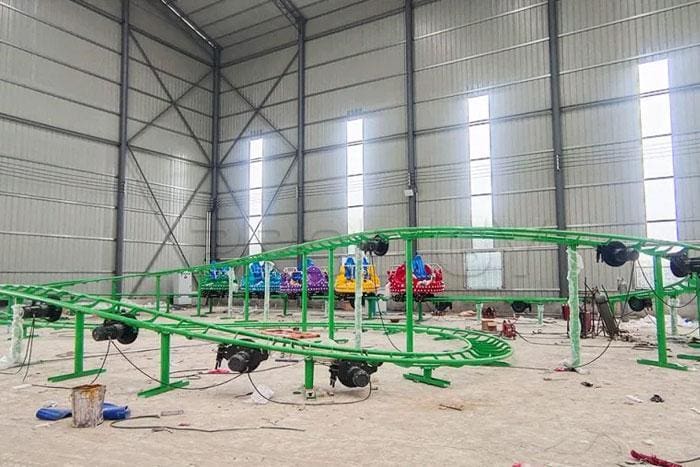
Selon 2026 market estimates, small and family roller coasters can be relatively accessible for commercial investors, while large steel and themed coasters require substantial engineering and infrastructure investment.
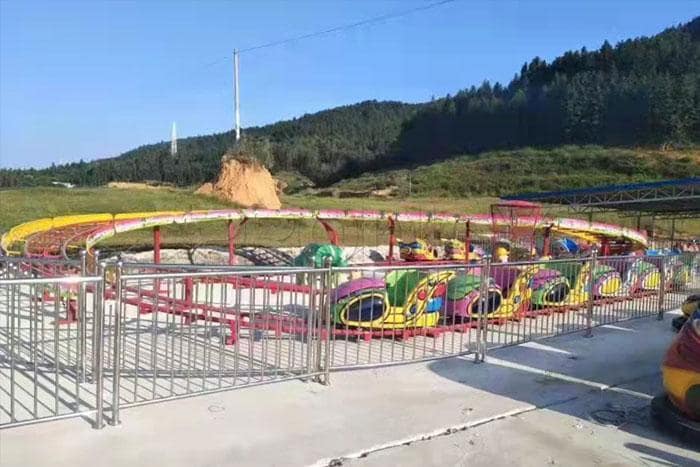
For buyers considering Prodigy montagnes russes, the company offers smaller and family-oriented models that can provide a lower-cost entry point into the amusement ride market.
Average Roller Coaster Cost in 2026
The following table provides a general estimate of roller coaster equipment and construction costs in 2026:
| Roller Coaster Type | Typical Cost | Typical Application |
|---|---|---|
| Enfant / Mini Coaster | $30,000–$500,000 | Parcs pour enfants, FEC |
| Family Steel Coaster | $500,000–$2 million | Parcs d'attractions régionaux |
| Standard Steel Coaster | $2–$15 million | Grands parcs à thème |
| Wooden Coaster | $3–$10 million | Traditional amusement parks |
| Méga / Hyper Coaster | $10–$25 million+ | Major destination parks |
| Custom Themed Coaster | $20–$100 million+ | Large-scale theme parks |
These figures are broad industry estimates rather than fixed quotations. Equipment prices can differ significantly depending on engineering specifications and whether site construction and theming are included.
What Determines the Cost of Building a Roller Coaster?
1. Roller Coaster Type
The type of coaster has the biggest impact on price. A small family coaster has a relatively simple track and support structure, while a launch coaster or looping coaster requires more advanced engineering.
Par exemple, Prodigy est publié 2026 information places small and family-oriented models in substantially lower price ranges than large custom coasters.
2. Longueur de la piste
Longer tracks require more:
- Rail en acier
- Support columns
- Foundations
- Braking systems
- Équipement électrique
- Construction labor
A 100-meter family coaster and a 1,000-meter mega coaster therefore have dramatically different construction budgets.
3. Height and Speed
Increasing coaster height and speed creates additional structural and engineering requirements. Higher attractions generally need stronger foundations, larger support structures, advanced braking systems, and more comprehensive safety engineering.
4. Capacité passagers
A coaster designed for 20 passengers per train has different requirements from a high-capacity attraction operating several trains simultaneously.
Higher capacity can increase:
- Vehicle costs
- Station size
- Systèmes de contrôle
- Braking equipment
- Queue infrastructure
Cependant, higher throughput can also improve revenue potential.
5. Theming and Customization
A basic coaster is considerably less expensive than a fully themed attraction.
La personnalisation peut inclure:
- Themed trains
- Fiberglass scenery
- Animatronics
- Éclairage LED
- Sound systems
- Special track elements
- Branded entrances and stations
For major theme parks, theming can represent a significant percentage of the overall project budget.
Prodigy Roller Coaster Cost
Prodigy is a Chinese amusement equipment manufacturer that provides mini, famille, and customized roller coaster solutions.
Selon Prodigy 2026 published pricing information, some smaller models can start at approximately $15,000–$60,000, while mainstream family roller coasters are commonly positioned around $60,000–$150,000 depending on configuration. Higher-spec customized models can reach $200,000–$450,000 or more.
One published Prodigy example is a family-oriented roller coaster with approximately 116 meters of track and 22 capacité en passagers, with an equipment reference price around $19,000 before additional project costs.
These figures should be treated as reference prices rather than guaranteed quotations because final pricing depends on specifications, personnalisation, shipping destination, et exigences d'installation.
Additional Costs Beyond the Roller Coaster
One common mistake among first-time buyers is calculating only the manufacturer’s equipment price.
The total roller coaster project cost may also include:
Shipping and Transportation
International transportation, port handling, assurance, and inland delivery can add thousands of dollars to the budget.
Foundation and Site Preparation
The site may require:
- Concrete foundations
- Embedded components
- Drainage
- Infrastructure électrique
- Safety fencing
- Station construction
Installation and Commissioning
Large rides require professional installation, essai, et mise en service. Prodigy-related cost estimates indicate that installation, expédition, fondation, and other landing costs can add considerably to the factory equipment price.
Permits and Inspections
Local governments may require engineering reviews, inspections de sécurité, operating permits, and other approvals before the ride can open.
Maintenance and Spare Parts
Operators should also budget for regular inspections, lubrication, replacement components, electrical maintenance, and periodic safety testing.
How Much Does a Roller Coaster Cost Per Foot?
Cost per foot is another useful way to compare coaster projects.
For 2026, indicative estimates range from around $100–$200 per foot for basic kiddie coasters to more than $3,000 per foot for hyper or mega coasters. Highly themed attractions can exceed $8,000–$20,000 per foot because of specialized scenery, technologie, and storytelling.
Cependant, cost per foot should never be used alone. A shorter coaster with complicated inversions, lancements, or theming can cost more than a longer but simpler family coaster.
What Can You Build With Different Budgets?
Under $50,000
This budget can target small children’s, mini, or non-powered roller coaster attractions. These are suitable for playgrounds, centres commerciaux, and small FECs.
$50,000–$150,000
This range opens up more family-oriented powered coaster options. Prodigy’s published pricing places several models within or around this segment.
$150,000–$500,000
Investors can consider longer family coasters, customized layouts, larger capacity, and stronger visual theming.
$1 Million+
This budget enters the market for larger commercial steel coasters, depending on the manufacturer and project requirements.
$10 Million+
Large-scale destination attractions, mega coasters, and heavily themed projects can require budgets exceeding $10 million.
How to Reduce Roller Coaster Construction Costs
If you want to control your investment, consider these strategies:
- Choose a suitable ride size rather than automatically selecting the largest coaster.
- Use a proven standard model instead of designing every component from scratch.
- Optimize the track layout to reduce unnecessary structural costs.
- Select an experienced manufacturer with established production capabilities.
- Plan transportation and installation early to avoid unexpected expenses.
- Prioritize high-value theming instead of adding expensive features with limited visitor impact.
For smaller amusement businesses, a compact family coaster can often provide a better balance between investment, capacité, entretien, and visitor appeal than a mega coaster.
Foire aux questions
How much does it cost to build a small roller coaster?
A small or mini coaster can range from tens of thousands of dollars to several hundred thousand dollars, depending on its size and specifications. Prodigy’s published small coaster pricing includes models starting around the $15,000–$60,000 range.
How much does a large roller coaster cost?
A large steel coaster can cost several million dollars, while major mega or highly themed coasters can exceed $10 million or even $20 million.
Prodigy est-il un fabricant de montagnes russes?
Oui. Prodigy manufactures mini and family roller coasters as well as other amusement equipment, y compris les grandes roues, carrousels, autos tamponneuses, and thrill rides.
What is the biggest cost when building a roller coaster?
The largest costs typically come from the ride equipment and engineering, followed by site preparation, foundations, installation, transport, thématisation, and supporting infrastructure.


